


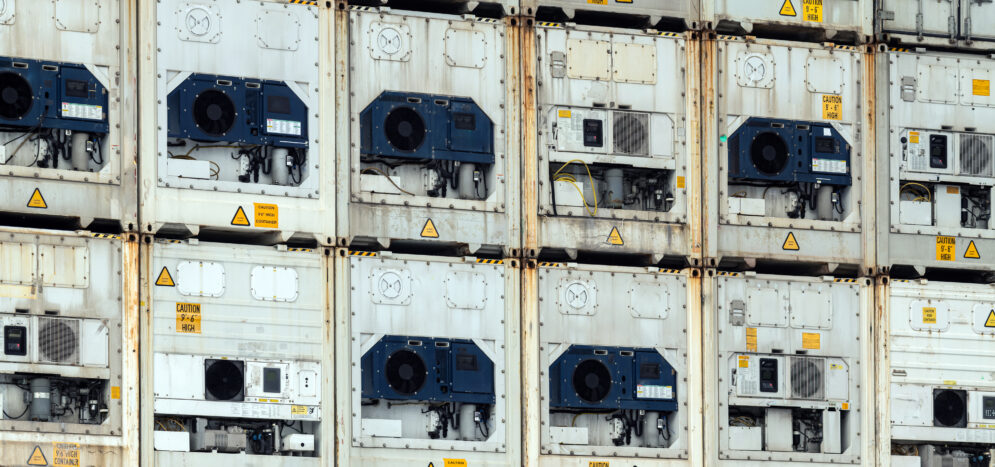
Temperature-sensitive freight requires more than a refrigerated trailer. It depends on proper equipment selection, clean operating procedures, accurate temperature settings, careful loading, and dependable communication from pickup to final delivery.
Reefer transportation helps protect products that can lose quality when exposed to heat, cold, or temperature changes. Food, beverages, flowers, pharmaceuticals, and other sensitive freight may require specific temperature ranges, timely handling, and consistent monitoring throughout the route.
Reliable reefer service protects temperature-sensitive freight through planning, monitoring, communication, and careful delivery follow-through.
Before a refrigerated shipment moves, the shipper, carrier, and driver should understand the required temperature range, trailer condition, pickup appointment, delivery window, and product handling needs. Clear instructions help reduce delays, prevent exposure, and keep the shipment moving under the right conditions.
During transit, reefer drivers should monitor unit settings, watch for alerts, communicate route updates, and confirm delivery requirements. Good documentation, proof of delivery, and temperature awareness help customers maintain confidence in every refrigerated load.

Temperature-sensitive freight should move with the right reefer equipment, proper settings, and dependable route communication.
Protecting refrigerated freight from pickup to delivery
Black Eagle Linehaul Services supports refrigerated freight movement with attention to timing, equipment needs, dispatch communication, and delivery follow-through. The goal is to help temperature-sensitive shipments move safely, efficiently, and with the visibility customers expect.
Strong reefer service is built on preparation before pickup, monitoring during transit, and accountability at delivery. When every step is coordinated, refrigerated freight can arrive with better protection, fewer surprises, and stronger service confidence.